 Moments of resilience or courage


By Brigadier Animish Ranade (Retd)
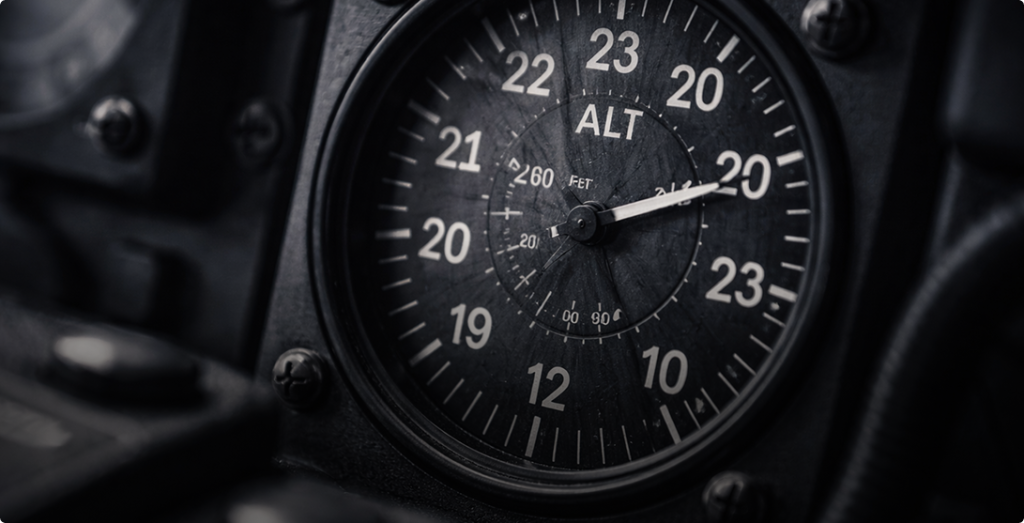
In May 1994, Agra simmered at 42°C as we prepared for our penultimate jump in the Combat Freefall Course — the High Altitude High Opening (HAHO) dive from 23,000 feet. Fifty jumps had brought us here, and only two remained before we could wear the coveted Combat Freefall Badge. This one was special: the highest fall, the longest glide, and the most extreme temperature swing we’d ever endure.
We were dressed for the sky, not the sun — layered in thermal gear beneath our jump suits, helmets strapped, oxygen masks ready, and combat rucksacks weighing down our legs. The aircraft ramp closed behind us, and we “penguin-walked” into position, awkward and overloaded. As the Antonov-32 climbed, we began pre-breathing 99% oxygen to flush out nitrogen and prevent decompression sickness. The cabin temperature dropped rapidly. From 41°C on the ground to -30°C at altitude — a 71-degree plunge. Leather gloves, oxygen checks, mental rehearsals of 20 emergency scenarios — all part of the ritual.
At 23,000 feet, the cabin depressurized. We switched to portable oxygen cylinders and stood up, limbs stiff, minds alert. The green light blinked. One by one, we dove into the void. Five seconds of freefall, then the chutes opened — a row of blue canopies fluttering at 22,000 feet, gliding over Fatehpur Sikri toward the drop zone 25 km away.
The descent was long and silent. Forty minutes of steering through shifting winds, scanning compasses, wiping condensation from goggles, and soaking in the Gangetic plains below. At 10,000 feet, I removed my mask — the air was breathable again. The warmth returned gradually, then fiercely. By the time we landed, sweat poured from every pore. In 90 minutes, we’d traversed a temperature differential of 113°C.
But the jump was only the beginning. HAHO is not a spectacle — it’s an insertion method for missions deep in hostile territory. The physical and mental toll is immense. Yet every soldier who completes it knows: this is what readiness feels like.
Reflection
A HAHO jump is a masterclass in extremes — shifting from blistering heat to freezing cold, from stillness to rapid action, from preparation to execution. In corporate life, leaders face similar transitions: moving between strategy and crisis, long-term vision and immediate firefighting, comfort zones and uncertainty. The ability to stay composed, adapt quickly, and maintain clarity under pressure is what defines effective leadership. Just as skydivers rehearse for 20 possible emergencies before a jump, leaders must anticipate scenarios, prepare responses, and still act decisively when the unexpected arrives. Resilience is not about avoiding turbulence — it’s about navigating it with steadiness and purpose.
ABCEL Perspective
This story captures the essence of operational resilience — the ability to endure discomfort, navigate uncertainty, and execute with precision. In leadership and transition, the same principles apply. Whether in boardrooms or battlefields, readiness is not just about preparation — it’s about presence, adaptability, and the quiet strength to move forward when the stakes are high.
Disclaimer:
Edited for clarity and storytelling with contributor permission. ABCEL has not verified this story for accuracy.
Read full disclaimer – Terms and Conditions.
Comments