
 Moments of resilience or courage



By Captain Karthik Chakrapani (Retd)
When I transitioned out of uniform nearly two decades ago, there was no ecosystem to support veterans. No hiring verticals, no networking platforms, no organizations translating military skills into corporate language. Veterans were left to figure it out alone.
I quickly realized the biggest gap was communication. Recruiters didn’t understand military titles like “Adjutant” or “Company Commander.” Veterans didn’t know how to articulate their competencies in civilian terms. I learned to break down my military roles into bullet points that explained transferable skills — strategy, people management, operations — in ways recruiters could grasp.
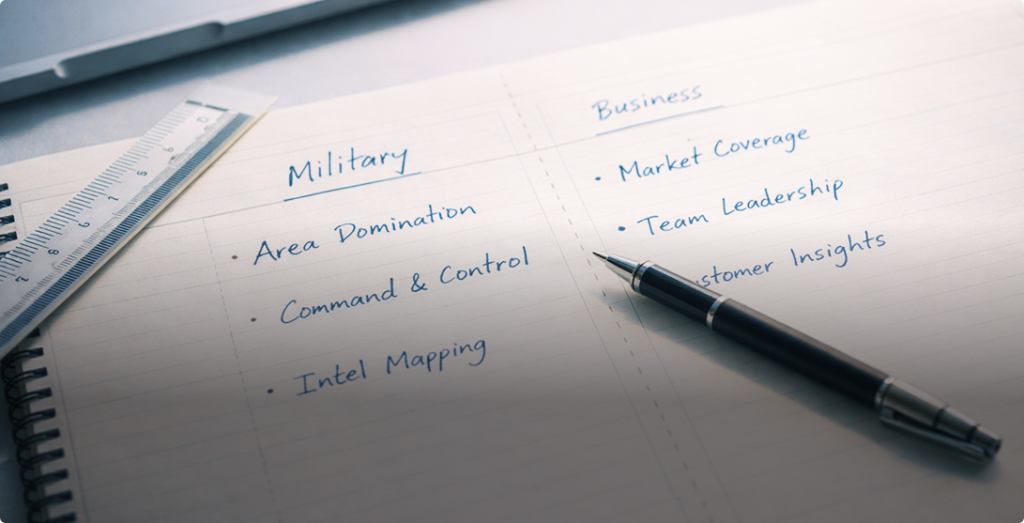
I also resisted being boxed into stereotypical roles like security or logistics. My combat training had taught me far more: how to map territories, negotiate under duress, and build trust in hostile environments. In Kashmir, I had to study every square kilometer, identify sympathizers, and win over communities by building schools or repairing infrastructure. That was market mapping, sales, and negotiation in its rawest form.
When I entered the corporate world, I applied those lessons. I joined a startup, learned structured finance, and built credibility by diving deep into problems others avoided. Later, at Pramerica Life, I was asked to create a business unit from scratch. I designed and implemented “Praheri,” an insurance product tailored for soldiers and families. Today, every fifth soldier in the Army is a customer.
What made this possible was translating military insights into business language: understanding ethnic and functional differences among regiments, predicting financial behaviors, and building products that resonated with their lived realities.
Reflection
My journey taught me that veterans are not defined by their military qualifications alone. They are defined by competencies — the ability to create structure in chaos, to negotiate under pressure, to build trust in uncertain environments.
The key is communication. Veterans must learn to articulate their skills in ways civilians understand. And corporates must learn to look beyond rigid military hierarchies to see the adaptability, resilience, and creativity veterans bring.
ABCEL Perspective
Captain Karthik’s story highlights the importance of shifting mindsets and changing perspectives. Veterans are not just suited for security roles; they are creators, strategists, and innovators. Their lived experiences translate into unique corporate strengths — problem-solving, people management, and building trust under pressure.
For the ecosystem, the lesson is clear: don’t replicate military hierarchies in corporate hiring. Instead, assess competencies, value adaptability, and create platforms where veterans can articulate their skills. ABCEL champions this bridge, ensuring veterans are seen not just for their past ranks, but for their future potential.
Disclaimer:
Edited for clarity and storytelling with contributor permission. ABCEL has not verified this story for accuracy.
Read full disclaimer – Terms and Conditions.
Comments