
 Moments of resilience or courage
By Major Deependra Singh Sengar, SM (Retd)
When I was nominated for for Tales of the Brave, I hesitated. There are countless soldiers with stories of greater sacrifice and quieter courage, including many who paid a price I did not. But perhaps that’s why I decided to share mine—not because it’s extraordinary, but because it’s a reminder that ordinary people can survive extraordinary circumstances with a little help.
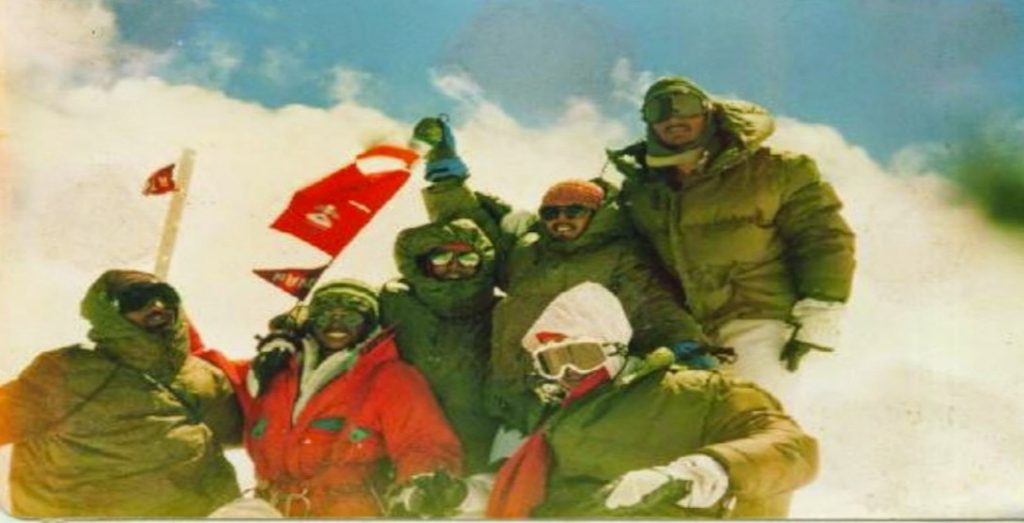
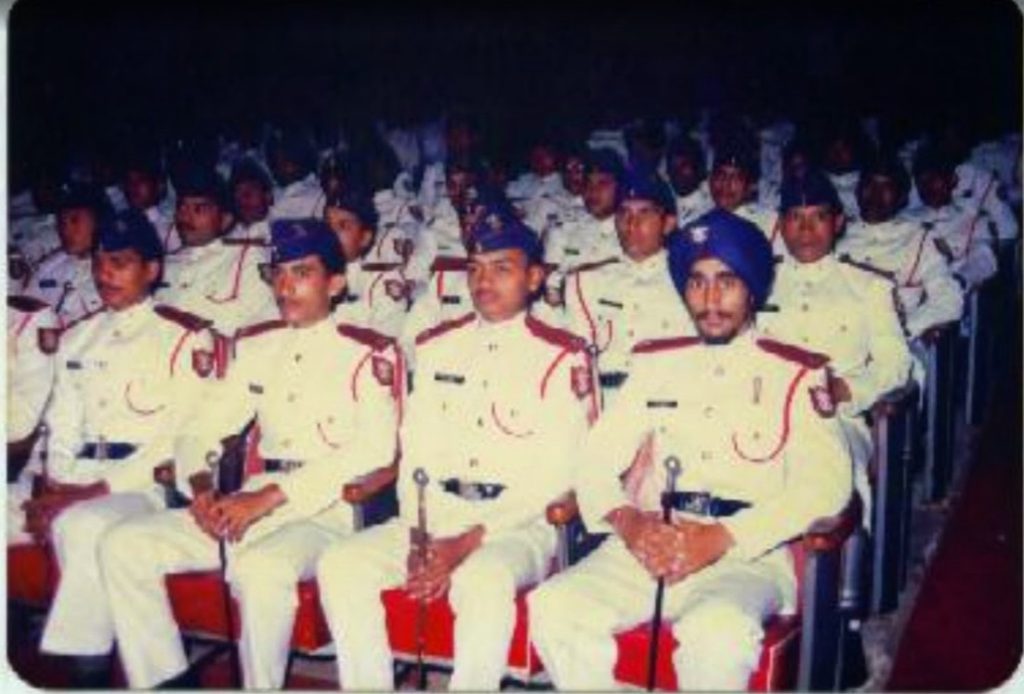
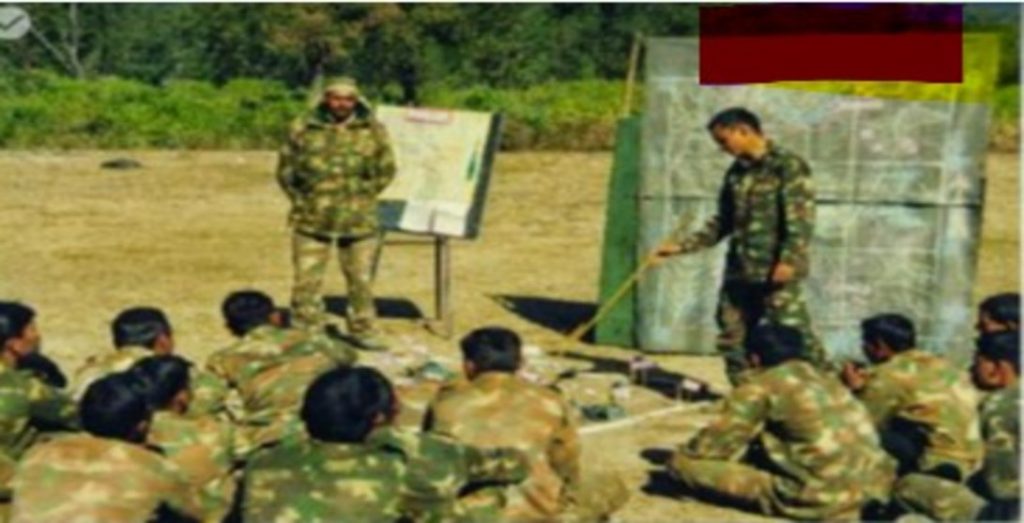
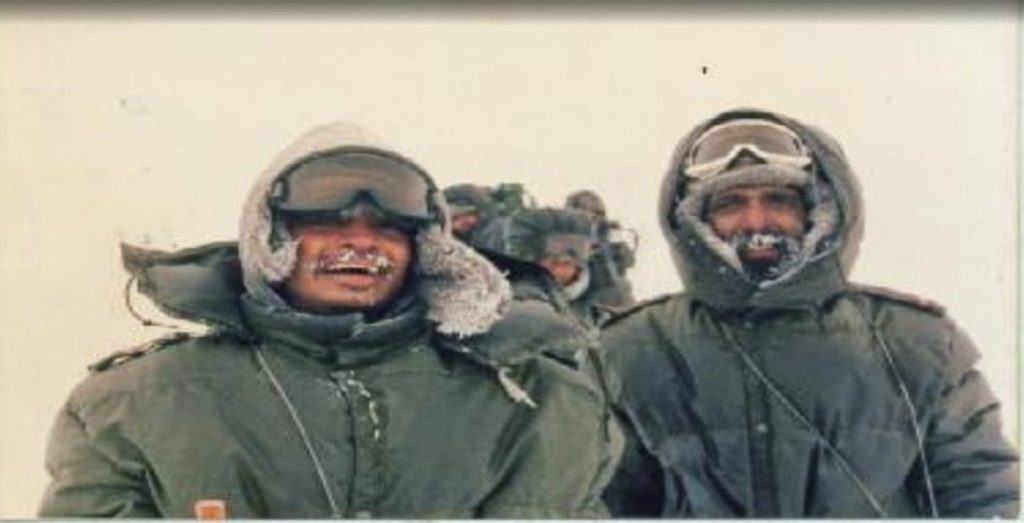
I was just another boy in a small town with a dream: to wear the uniform and serve. At school and then at NDA, I was one of the smallest, but I worked through and was fortunate to pass the tough probation and join the Parachute Regiment, serving with 21 PARA (Special Forces). While others seemed naturally built for the tough life, I had to work twice as hard. Those early struggles taught me my only philosophy: show up, give everything you have, and never forget that your strength comes from those standing with you.
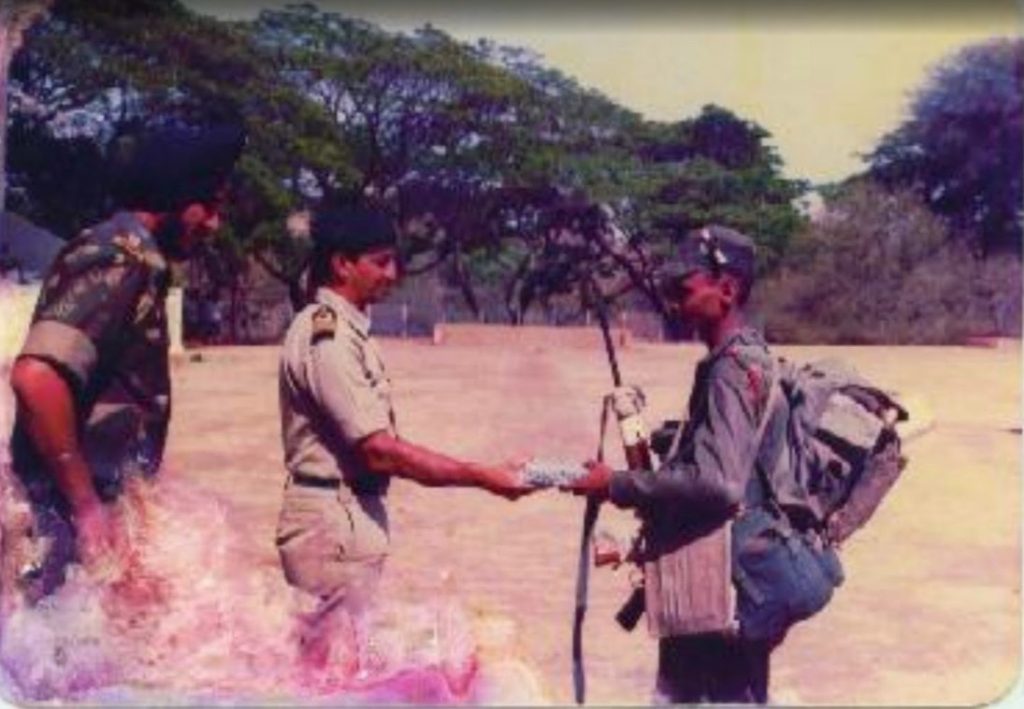
I earned multiple awards—Commando Dagger, Best Student, medals, and recognitions—but they were never mine alone. Every achievement was a reflection of the team beside me and the seniors who taught us to put the mission and each other first.
In 1998, I was seriously injured in combat. Thanks to timely medical care and my unit’s support, I recovered enough to return to action. In September 1999, I was injured again. This time, doctors warned I would never walk again. The long months that followed—surgeries, rehab, learning to measure progress in millimeters—were humbling.
From leading the toughest soldiers to being bedridden for life—it felt like losing my compass. After a year in the hospital, it became clear I would have to hang up my boots. Accepting that was difficult, but I was surrounded by people who didn’t let me drift—family, especially my wife Jaya, friends, doctors, nurses, and brothers-in-arms who treated recovery like a shared mission.
I needed a constructive target, so I prepared for CAT, India’s toughest management entrance exam. Much of that study happened in the hospital, often flat on my back. I attended the exam on crutches and was fortunate to be admitted to IIM Ahmedabad. That admission didn’t erase pain, but it replaced uncertainty with a path.
The transition from battlefield to boardroom was not glamorous. In corporate life, there are no ranks to lean on; credibility must be earned from zero. I worked in multinationals, built a startup, and lived in five countries. Military habits helped—clarity under pressure, looking after your people, reviewing mistakes without defensiveness—but I needed others to translate those habits into business outcomes.
Over 12 years, I moved from a wheelchair to crutches to being able to run. During this time, my family and I agreed to share our story through ZEE5’s Jeet Ki Zid. While dramatized, it highlighted what mattered most: the “army behind the Army”—spouses, parents, buddies, doctors, and therapists whose quiet persistence rebuilds a soldier’s confidence piece by piece.
What Stayed With Me
1. Grit looks ordinary up close. Resilience isn’t heroic—it’s mundane: showing up for physiotherapy when it hurts, revising vocabulary when your mind wanders, taking the next small step when no one is watching.
2. The team saves you—every time. In uniform, survival depends on teammates. In recovery, the team looks different—family, medical staff, friends, colleagues—but the principle is the same.
3. Identity can be rebuilt without discarding the past. I miss soldiering deeply, but the core values—duty, honesty under pressure, service to the team—travel with me.
4. Leadership under stress transfers—but only if you listen. Military decision rhythm works in business, but only when paired with humility and listening.
5. Recognition belongs to many. Medals reflect the standards of my unit and the sacrifices of teammates far more than anything I did personally.
Reflection
I don’t claim my story is exceptional. Many comrades endured more and gave more. I share it because a few lessons might travel:
For veterans: Your experience has value beyond the battlefield.
For families: You steady the ship. Much of resilience is borrowed strength.
For everyone: Courage isn’t limited to combat. Choose a goal, gather allies, and work a simple plan consistently.
If this reaches even one soldier sitting in a hospital ward, wondering whether life as they knew it is over, I’d offer this: there is still a path. It may be slower, different, and frustrating—but it is real. Start where you are: one stretch, one paragraph, one call. Momentum returns quietly and then, one day, it’s yours again.
ABCEL Perspective
Maj Deependra’s story reminds us that grit is not glamorous—it is persistence in the ordinary. His journey from Special Forces to corporate leadership shows that resilience is transferable, and that identity can be rebuilt without losing its core. Veterans like him carry the spirit of service into every new mission—whether on the battlefield or in life.
Disclaimer:
Edited for clarity and storytelling with contributor permission. ABCEL has not verified this story for accuracy.
Read full disclaimer – Terms and Conditions.
Comments